Physical Address
304 North Cardinal St.
Dorchester Center, MA 02124
Physical Address
304 North Cardinal St.
Dorchester Center, MA 02124

Most online creators aren’t blocked by lack of ideas. They’re buried under friction.
You can feel it the moment you sit down to write. Tabs multiply. Tools compete for attention. A blank doc stares back while an AI window waits, blinking, ready to generate something. You paste a prompt, skim the output, and there it is—technically fine, emotionally flat, unmistakably not you.
That’s not an AI problem. That’s a workflow problem.
The creators who publish consistently—and still sound unmistakably human—don’t rely on inspiration or brute force. They rely on a deliberately designed AI writing workflow that respects how people think and how search engines interpret meaning.
This is the workflow they use.
An AI writing workflow isn’t a stack of tools. It’s a sequence of decisions.
It governs how a half-formed idea becomes a finished piece someone actually wants to read—and how that piece fits into a larger body of work that search engines learn to trust.
The strongest workflows share three traits:
When those three elements are present, content stops feeling frantic. Publishing becomes calm, predictable, and strangely satisfying.
High-performing creators don’t begin by writing. They begin by clarifying.
Before a single sentence exists, they answer questions most people skip:
This intent mapping quietly does two things at once. It feeds AI with direction instead of noise, and it aligns the piece with how modern search systems evaluate usefulness.
When intent is clear, everything downstream sharpens.
AI is excellent at filling space. It’s far better at expanding structure when guided correctly.
Creators who sound human use AI to:
Then they slow down.
They cut what feels unnecessary. They rearrange emphasis. They let certain ideas breathe while trimming others aggressively. Speed comes from reduced decision fatigue, not from publishing untouched output.
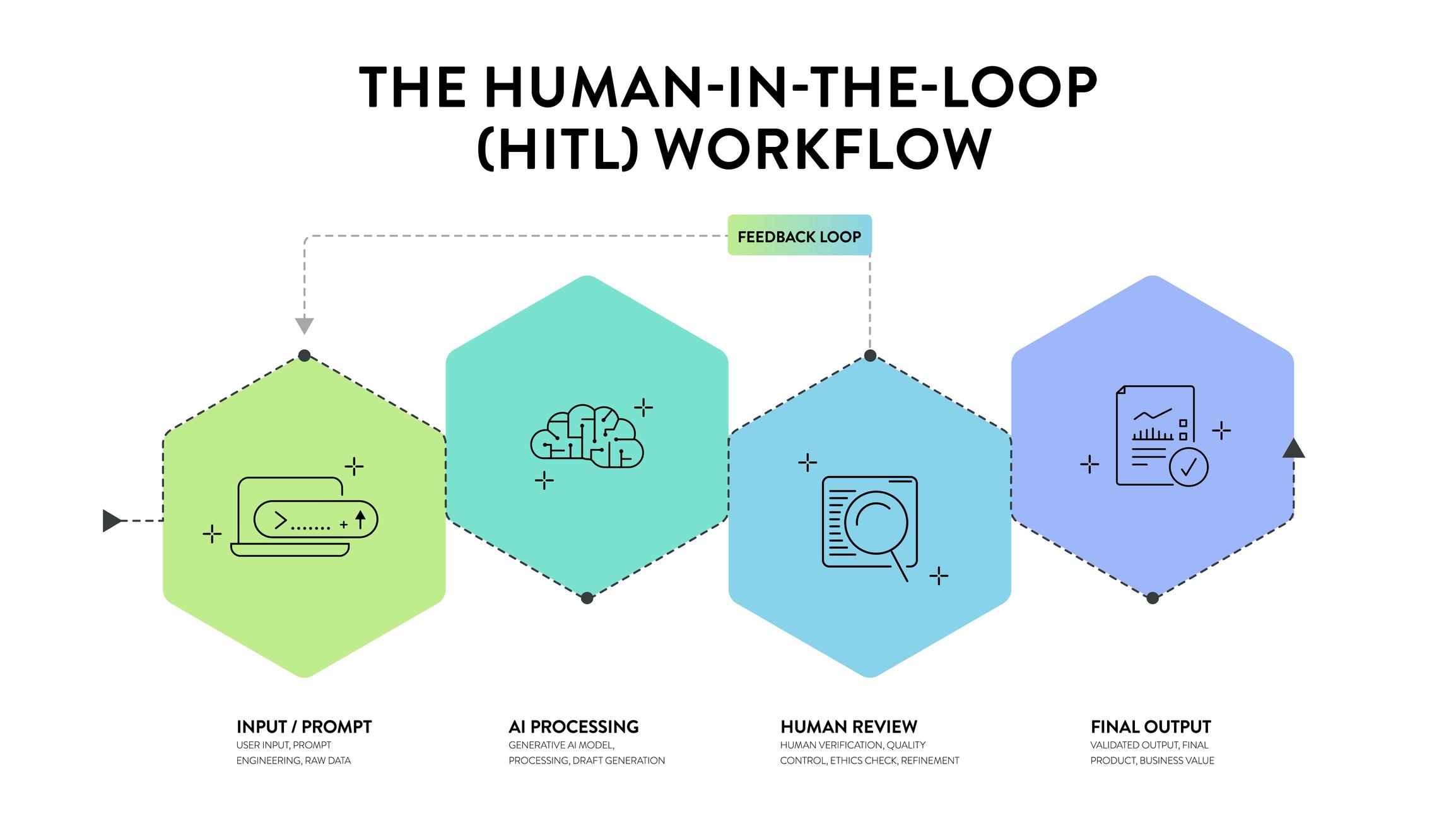
This is where most people rush—and where the real advantage lives.
Human refinement isn’t about polishing grammar. It’s about judgment:
Readers feel this instantly. So do search engines, indirectly, through engagement patterns that signal satisfaction instead of skimming.
Search systems don’t “like” AI or hate it. They reward clarity, coherence, and usefulness at scale.
RankBrain looks for familiar success patterns. Content that mirrors natural explanation—problem, insight, resolution—fits those patterns effortlessly.
BERT tracks relationships between ideas. When concepts are introduced, expanded, and revisited naturally, topical depth becomes obvious without repetition.
A stable workflow creates linguistic fingerprints across your site—phrases, framing, conceptual overlap. Over time, this strengthens internal semantic relationships and makes your content easier to trust algorithmically.
Publishing raw output saves time once—and costs trust repeatedly. Readers disengage. Search systems adjust.
Switching platforms without a stable process fragments voice and erodes consistency.
Publishing faster only works when each piece reinforces the last. Otherwise, volume accelerates dilution.
A Calm Weekly Rhythm
A Simple Pre-Publish Gut Check
If the answer is yes, you’re building something durable.
“Will using AI hurt my SEO?” No. Thin, careless content hurts SEO. Clear thinking doesn’t.
“Why does my AI writing sound generic?” Because decisions were deferred to the tool instead of made upfront.
“Is this only for bloggers?” Not at all. The same workflow applies to newsletters, product pages, educational content, and authority-building essays.
Each piece strengthens the next.
Internal links become more meaningful. Topic clusters deepen. Readers recognize your voice. Search engines recognize your consistency.
That’s why experienced creators don’t rush anymore. They design systems that carry them forward.
Used thoughtfully, these tools don’t replace creativity. They remove friction so it can surface more often.
