Physical Address
304 North Cardinal St.
Dorchester Center, MA 02124
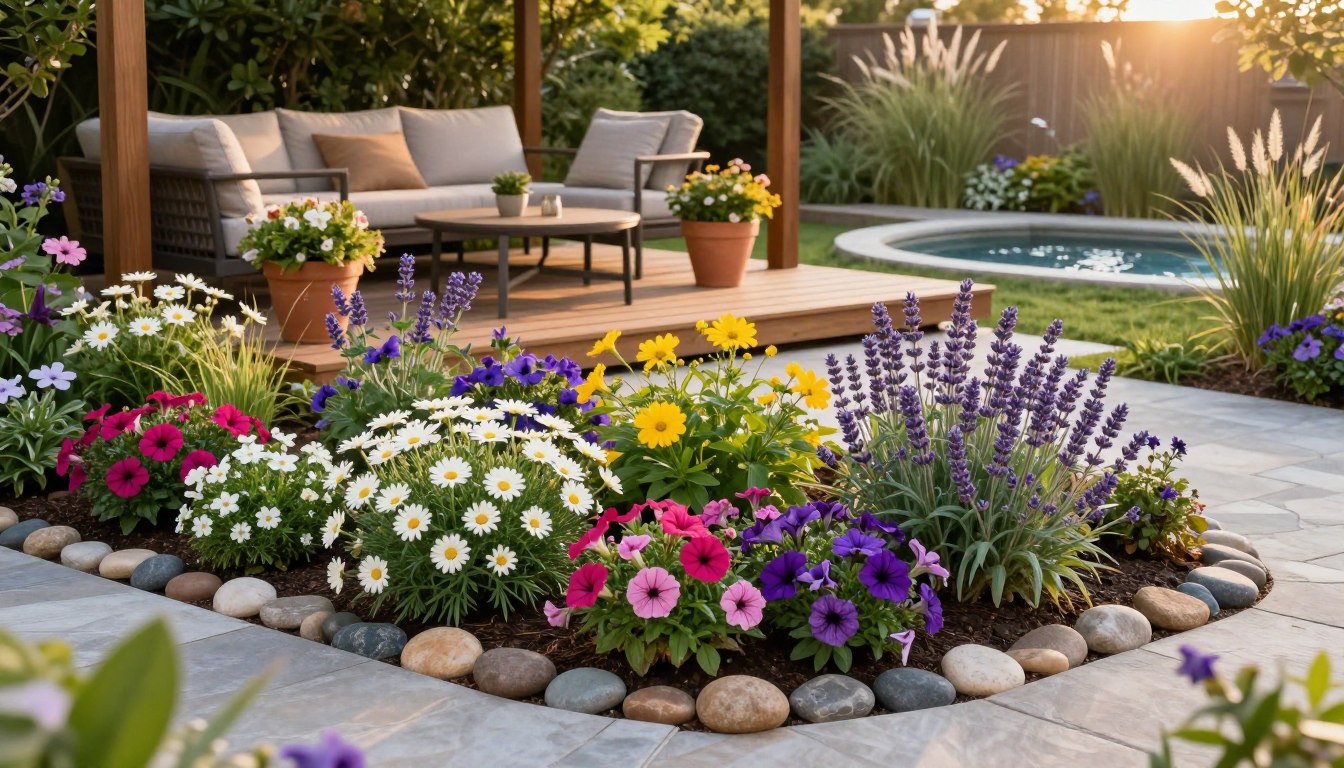
Think of your outdoor space as an extra room for your house. As professional garden writer Janet Loughrey points out, this area has evolved into a true extension of your home.
It’s a place for relaxation, play, and making memories. Whether you’re dreaming of simple DIY updates or a full property makeover, thoughtful planning can unlock its full potential.
Creating a space you love requires more than just plants. You need to blend basic design principles to ensure it’s both functional and beautiful for years to come.
Don’t let a small lot limit your vision. Even a compact urban yard can become your personal retreat with the right strategies and a solid plan.
We’ll show you how to mix different elements to craft a stunning yard. The goal is to reflect your unique taste and perfectly suit your family’s lifestyle.
Before a single shovel hits the dirt, take time to define what you truly want from your outdoor area. These initial ideas shape your entire plan. This phase is crucial for turning dreams into reality.
As the design team at Bower & Branch suggests, homeowners should rank their desires before calling an installer. What is your primary goal? Is it entertaining guests, creating a play zone, or cultivating a quiet retreat?
When space is limited, this ranking becomes critical. It ensures a dining area or outdoor kitchen doesn’t overwhelm the room you need for other activities.
Begin with accurate measurements. Note if your ground is level, sloped, or irregular. This affects everything from drainage to furniture placement.
Take stock of existing plants. Which mature trees or shrubs will enhance your new design? Which should be removed to clear the way?
Carefully track sunlight patterns throughout the day. Knowing where the sun shines brightest helps you position patios, gardens, and seating for maximum enjoyment in your yard.
To build your dream space, you first need to understand the canvas you’re working on. This honest evaluation turns exciting ideas into a practical, achievable plan.
As expert Janet Loughrey advises, start with a tape measure. Knowing your exact square footage is the first step. It tells you if you have room for that vegetable patch or if a swimming pool is a realistic goal.
In tighter urban lots, look up. A neighbor’s second-story window can ruin your privacy. Identifying these sightlines early helps you plan for screening.
Take stock of what’s already there. Your assessment should include:
This groundwork saves you from costly mistakes. It ensures your final design feels cohesive and perfectly suited to your property.
Selecting a design style gives your outdoor project a clear direction and a unified aesthetic. According to the professional team at Yardzen, categorizing your preferred look into broad types—like modern, traditional, formal, or informal—is a powerful first step. This creates a cohesive foundation for all your future choices.
Modern landscaping ideas often emphasize clean, straight lines and sharp angles. This creates a sleek, structured feel. In contrast, traditional designs typically use curving lines and rounded corners for a softer, more classic atmosphere.
You are not limited to just one category. Many homeowners successfully blend these fundamental characteristics. This creates a unique, transitional style that complements their home’s existing architecture.
Formal design relies on geometric groupings and perfect symmetry. It feels orderly and intentional. Informal aesthetics embrace naturalistic, amorphous groupings. This approach feels more relaxed and organic for your yard.
You can mix and match these elements. Focus on tangible physical traits, like straight versus curved lines. This clarity will make you more successful when discussing your vision with a professional design team.
No two properties are identical, and that’s where the magic of custom design begins. Your plot holds unique potential waiting to be unlocked.
Experts like the team at Bower & Branch specialize in this. They work with quirky lots to help you maximize every square foot. The right plan turns any area into a functional retreat.
It all starts with your family’s needs. Do you love hosting barbecues or reading in a quiet nook? Your outdoor area should be a place you enjoy.
Applying smart principles can transform even a tiny corner. The goal is a beautiful oasis that feels complete and highly functional for your life.
| Yard Challenge | Design Principle | Solution Example |
|---|---|---|
| Small, Narrow Lot | Maximize Vertical Space | Use tall, narrow planters and wall-mounted gardens. |
| Sloped or Uneven Ground | Create Functional Levels | Build tiered retaining walls for seating or planting. |
| Lack of Privacy | Implement Strategic Screening | Plant fast-growing evergreen hedges or install a lattice with vines. |
Great inspiration adapts to your specific circumstances. This approach ensures your final outdoor environment is perfectly tailored to you.
The most successful outdoor designs are those that serve multiple functions throughout the day. This approach turns your yard into a versatile extension of your home.
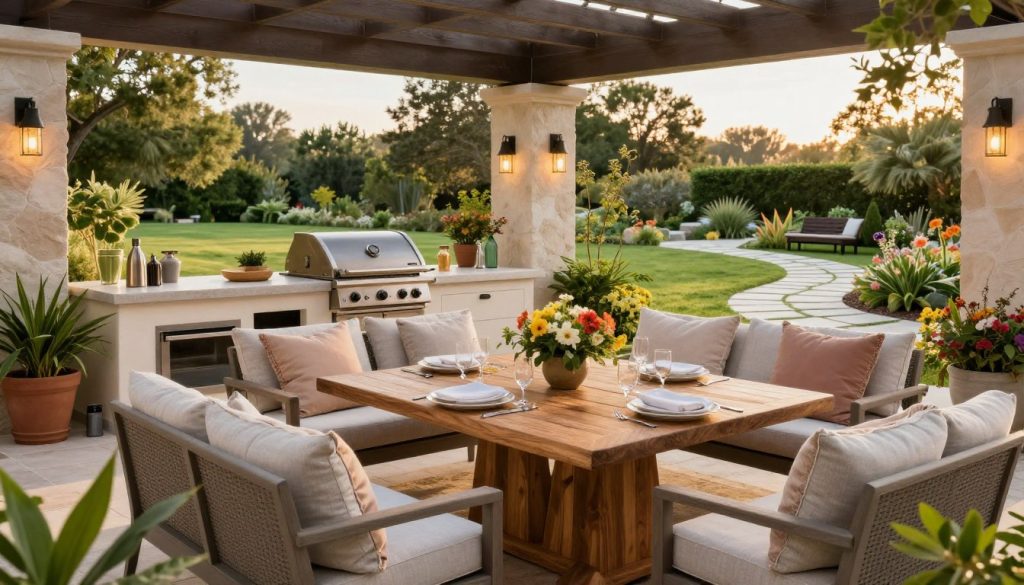
Consider how Alli Guileria transformed her suburban yard. She created a series of distinct garden rooms. Each one serves a specific purpose for outdoor living.
Designer Debbie Brooks took a similar approach with a narrow plot. She converted it into a highly functional area. It now includes an outdoor kitchen, a dining spot, and bar-style seating.
This multi-use philosophy is key. You could host a buffet on a mini bocce court. Your outdoor area remains versatile for all your guests.
Seamlessly connect your house to the garden. Installing French doors is a classic method. They invite nature into your home and visually extend your floor plan.
For practical flow, place dining and cooking zones near your indoor kitchen. This makes transporting food and drinks during events much easier.
Your outdoor living space should feel like a natural room of your house. This blend maximizes usability and enjoyment.
Your material choices for walkways and seating pads impact both your budget and your yard’s long-term character. These solid surfaces form the permanent framework of your outdoor area.
Garden writer Janet Loughrey suggests considering less costly options to keep your project affordable. Remember, high-quality stone or concrete offers greater durability than cheaper, less resilient alternatives.
When you design your layout, ensure pathways are wide enough for comfortable walking. This prevents a cramped feel and allows easy movement between your garden beds.
You can achieve a chic modern look without a big spend. Try extending a concrete patio with a border of pea gravel for beautiful texture. Mixing materials like this adds visual interest and provides a solid foundation for your furniture.
Transforming a simple patio into a welcoming retreat hinges on thoughtful furniture selection and layout. This zone becomes your primary spot for relaxation and hosting.
Take inspiration from Proven Winners. They showcase a cozy seating area with a rustic look. A tall mixed hedge provides essential screening and privacy.
Invest in high-quality, durable pieces. It’s more cost-effective than replacing flimsy sets every few years.
For a compact area, select a bistro set or love seat. A full-sized dining ensemble can overwhelm the space.
Built-in seating is a fantastic solution. It fits more guests by tucking neatly into the perimeter and staying off the ground.
Always arrange your furniture for comfort. Leave enough room for people to move and get in and out of chairs easily.
| Patio Size | Recommended Furniture | Key Feature |
|---|---|---|
| Small | Bistro Set, Love Seat | Space-saving, intimate scale |
| Medium | Modular Sofa, Compact Dining Set | Flexible arrangement, good for entertaining |
| Large | Full Dining Ensemble, Multiple Lounge Groups | Defines separate conversation zones |
Your choices set the tone for your entire outdoor experience. Prioritize comfort and durability to create a lasting haven.
Creating a landscape with lasting appeal means thinking beyond a single season of bloom. Your plantings are the living elements that bring color and life to your outdoor sanctuary throughout the year.
For expert guidance on this topic, note that designer Karen Chapman will host a webinar on April 9, 2026. It will focus on designing abundant containers and selecting the right plants.
Choose a mix of perennials and annuals that flower at different times. This strategy ensures your garden has multi-seasonal interest. You’ll enjoy a constantly changing display from spring to fall.
Before you plant anything new, test your soil. Checking for proper pH and nutrient levels is a vital step. It ensures your plants have a hospitable growing medium in your beds.
Including native species supports local wildlife and beneficial insects. This contributes to a more abundant and healthy environment right in your backyard.
Vary your plantings by using trees, shrubs, and groundcovers together. This layered approach softens hardscape and creates shelter for nesting birds. It builds a richer, more dynamic garden scene.
The gentle crackle of a fire and the soothing murmur of water can transform your outdoor area into a sensory escape. These dynamic elements add a layer of magic and extend the usable seasons of your property.
Homeowners like Morty Bachar and Patty Storms built their residence around a serene pond. It became a peaceful haven for local wildlife. Similarly, designer Lori Scott added a waterfall to a sloping backyard. The moving water creates a soothing sound that masks urban noise.
Adding a fire pit creates a cozy focal point. It keeps guests warm on cool nights and extends your entertaining hours. For compact spaces, a gas model can even double as a stylish coffee table.
You don’t need a large pond to enjoy water. A simple birdbath or a small fountain serves as a perfect water feature. It attracts birds and adds a calming presence to a tiny garden corner.
Choosing the right element depends on your space and desired atmosphere. This comparison can help guide your decision.
| Feature Type | Primary Benefit | Ideal For | Scale |
|---|---|---|---|
| In-Ground Pond | Wildlife Habitat & Visual Calm | Larger, naturalistic gardens | Major Project |
| Waterfall / Fountain | Soothing Sound & Focal Point | Slopes or privacy screening | Medium to Large |
| Fire Pit | Warmth & Social Gathering | Patios and cooler climates | Flexible (Small to Large) |
An open pergola paired with comfortable seating transforms a plain patio into a shaded, private retreat. As seen in designs from Proven Winners, this structure provides filtered light and a sense of enclosure. Your choices here define the function and style of your entire seating area.

When planning your pergola, consider its placement and size first. It should complement the flow of your furniture arrangement and outdoor living area. A well-proportioned structure frames the space beautifully without overwhelming it.
For a natural, elegant look, allow climbing vines to grow up the posts. This softens the architecture and adds greenery. A pergola also adds charm when marking the entrance to your yard from a side path.
Choose the roof style carefully to manage sun and shade. A solid roof offers full protection, while an open lattice creates dappled light. This choice directly affects how you use your patio throughout the day.
Lighting is the secret ingredient that adds magic, safety, and hours of extra use to your property after dark. As Proven Winners suggests, using candles, lanterns, and uplighting on trees can beautifully extend the time you spend in your backyard during the evening.
Proper lighting is also essential for safety. Ensure all your pathways, porch, and patio areas are well-illuminated. This simple step prevents trips and falls when night falls.
You can use illumination to create an intimate feel in a compact space. Highlighting a specimen tree or an architectural feature adds dramatic effect and personal charm.
Adding uplighting to statuary or a pergola enhances the overall mood. Don’t treat this element as an afterthought. It’s a simple concept that significantly increases how you use your yard after sunset, making your entire backyard feel more inviting.
The key to unlocking a tiny yard’s full potential lies in smart planning and creative solutions. As the Bower & Branch team highlights, maximizing a compact backyard can fundamentally change how you use and enjoy your entire property.
Smart layouts often involve simple tweaks. Removing railings around a deck extends your sight lines. This makes the zone feel less confined and more open.
Think vertically. Hanging baskets and window boxes display colorful annuals without using floor space. They are excellent space-saving solutions.
When you consider your garden in three dimensions, you discover more room for activities. This shift in perspective is powerful.
You can use vertical structures like trellises and arbors. They maximize your area by allowing vining plants to add a living component to walls.
These ideas turn empty vertical surfaces into lush garden features. They free up ground space for seating or play.
| Solution | Best For | Key Benefit |
|---|---|---|
| Trellis | Climbing veggies or flowers | Creates a living privacy screen |
| Arbor | Entryways or focal points | Adds height and architectural interest |
| Wall Planter | Herbs or succulents | Utilizes unused wall space efficiently |
| Hanging Basket | Colorful annual displays | Adds layers without consuming floor area |
Creating a beautiful outdoor environment doesn’t have to mean endless weekend chores and high water bills. You can design a space that is both stunning and simple to care for. This approach saves you time and benefits the local ecosystem.
Designer Marina Wynton shows how it’s done. She created an eco-friendly small urban backyard with a low-maintenance perennial border. The hardscape uses permeable pavers and gravel for better drainage.
Embracing practices like xeriscaping keeps your space easy to manage. Selecting native plants is a great strategy. These species are adapted to your climate and need little extra water or care.
You can significantly reduce upkeep by replacing grass. Use artificial turf or gravel instead. This choice gives you a pristine look without constant mowing or watering.
Choosing durable materials for your backyard is also key. It ensures your investment stays beautiful for years. You won’t need frequent repairs or replacements.
The result is a yard that gives you more time to relax. You get to enjoy your outdoor environment, not just work on it.
Imagine your outdoor area not as one open plot, but as a collection of intimate, purpose-driven spaces.
Homeowner Alli Guileria applied this concept beautifully. She built a series of garden rooms in her backyard, each serving a unique function. This approach dramatically increased the utility of her entire property.
You can divide your yard into similar zones. Use large containers, dense plant groupings, or decorative lattice to screen areas. This separation makes the space feel much larger and more intentional.
Don’t forget to look up. Utilizing vertical space with trellises and arbors provides essential structure. Trailing plants add a lush, living component to these surfaces.
The walls between your garden rooms can be solid or semi-open. A semi-open design allows light and glimpses into the next area. This creates a lovely sense of mystery and discovery.
Connect your rooms with clear pathways or transition areas. This ensures you move comfortably between different parts of your backyard throughout the day.
Artistic expression turns a standard yard into a reflection of your unique story and style. This final layer of customization makes your outdoor environment feel complete and deeply personal.
Consider the project by designer Laura Crockett. She incorporated a unique clay tile mosaic created by artist Clare Dohna. This one-of-a-kind artwork became the heart of the backyard.
You can achieve a similar effect. Add customized items like statuary, fountains, or rain chains. These pieces reflect your personality and create interesting focal points.
Supporting local artists is a wonderful idea. Their work adds a special character you won’t find in mass-produced stores. Don’t forget smaller finishing touches.
Wall art or decorative trellises bring a garden to life. They provide visual interest for your guests. Your choices make the space welcoming.
Personalizing your backyard with decor allows you to express yourself. It creates an environment you’ll love to spend time in for years.
Crafting an inviting exterior is a rewarding process that blends creativity with practical living. With thoughtful planning, you can transform your backyard into a stunning retreat that meets your family’s needs.
Incorporate functional elements like patios and vertical gardens to maximize every inch of your yard. The best landscaping ideas reflect your personal style while being sustainable and easy to maintain.
Whether you prefer a formal look or a cottage garden, aim for a cohesive space that invites you outside. Let these strategies inspire your own project to create the beautiful oasis you envision for your backyard.