Physical Address
304 North Cardinal St.
Dorchester Center, MA 02124
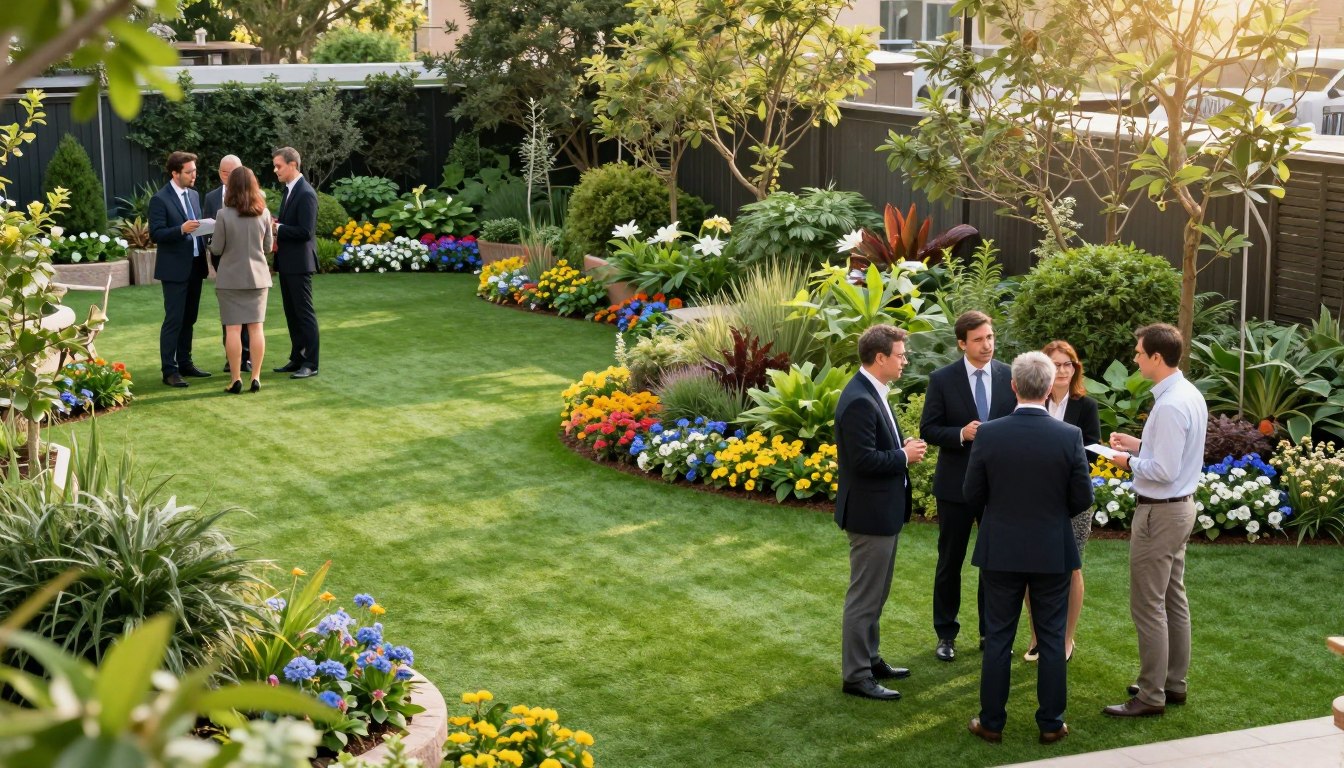
Artificial turf makes the strongest case when lower irrigation and lawn work outweigh its larger installation outlay. For homeowners with a busy yard or limited irrigation, saving time can matter as much as the initial cost. A shaded garden where natural soil, cooling, or habitat matters may call for a different choice.
Infill is loose material placed between turf fibers to support the blades and help stabilize the surface. A useful decision starts by comparing ongoing lawn expenses with the installation investment, while weighing how the outdoor space will be used.
Artificial turf can justify its cost when avoided recurring expenses matter enough over time. High water bills and frequent paid lawn care strengthen the case, but do not guarantee savings. The value turns on local prices and how much lawn needs care.
Artificial turf can justify its cost when avoided recurring expenses matter enough over time. High water bills and frequent paid lawn care strengthen the case.
A typical backyard lawn can use 50,000 or more gallons of water per year. Artificial turf needs nearly no irrigation, apart from occasional rinsing.
Natural grass has a lower initial outlay in many projects, while artificial grass costs more to install. Its recurring needs differ, too.
| Attribute | Natural grass | Artificial turf |
|---|---|---|
| Initial outlay | Usually lower | Usually higher |
| Irrigation | Regular watering; 50,000 or more gallons yearly for a typical backyard | Nearly zero, except occasional rinsing |
| Recurring lawn work | Mowing, feeding, and reseeding may be needed | Cleaning and brushing remain |
| Seasonal appearance | Can change with weather and care | Usually stays green year-round |
A break-even estimate depends on local water rates, current lawn-care expenses, the converted area, and expected service life. Avoided expenses are possible savings, not a promise of money returned.
High water costs and regular professional lawn care can improve the case. A small lawn or low-cost irrigation can weaken it, even when the grass needs substantial upkeep.
Water use and lawn-care costs frame the value question; site conditions shape the installation quote.
The installed price is usually a larger upfront expense than seeding or sodding, and varies with site conditions. About $20-$25 per square foot is a typical artificial turf installation cost, though project details can change the total.
Yard size, product selection, equipment access, grading, and site preparation all affect costs. A residential installation may take several days, with removal work, access, grading, and weather shaping the schedule.
Turf and infill materials set one part of the quote, while removal and base work add labor. Preparation and drainage are central to a durable installation.
| Cost factor | What it involves | Effect on the quote |
|---|---|---|
| Turf and infill materials | Product type, quality, and infill choice | Changes material cost |
| Removal of existing lawn | Taking out grass and unwanted material | More removal adds labor |
| Grading and base preparation | Shaping the surface and building a draining base | More correction raises site work |
| Access and labor | Moving materials and equipment to the yard | Tight access can add labor |
Crews remove or retain existing materials, correct the grade, and prepare the base before laying turf. The finished surface needs a stable base and a clear path for water to drain.
Before work begins, homeowners can check four practical details:
The cheapest place to get fake grass varies by region and project. Compare itemized local quotes rather than choosing by turf price alone; after installation, care demands fall, but do not disappear.
Natural grass needs recurring mowing and watering; artificial grass needs smaller, real cleaning tasks. Less work does not mean no work: debris removal, rinsing, brushing, and spot cleaning remain part of turf maintenance.
Artificial turf does not need mowing, routine watering, fertilizing, or reseeding. Leaves and dirt still need removal, and flattened fibers need brushing to stand upright.
Occasional rinsing can clear dust and light spills. Under trees, leaf litter and other debris can collect faster, so the surface may need more frequent attention.
Spot cleaning helps address spills before residue builds up. Regular care also makes changes in infill or worn areas easier to notice.
Artificial grass with dogs can work well when the drainage design suits the site. Solid pet waste should be removed, and affected areas rinsed and cleaned to limit odor.
Pet use concentrates waste in a small area, so drainage and cleaning matter. Low maintenance is especially not maintenance-free beneath trees or in heavily used pet runs.
Sound installation and steady care help the surface hold up over time.
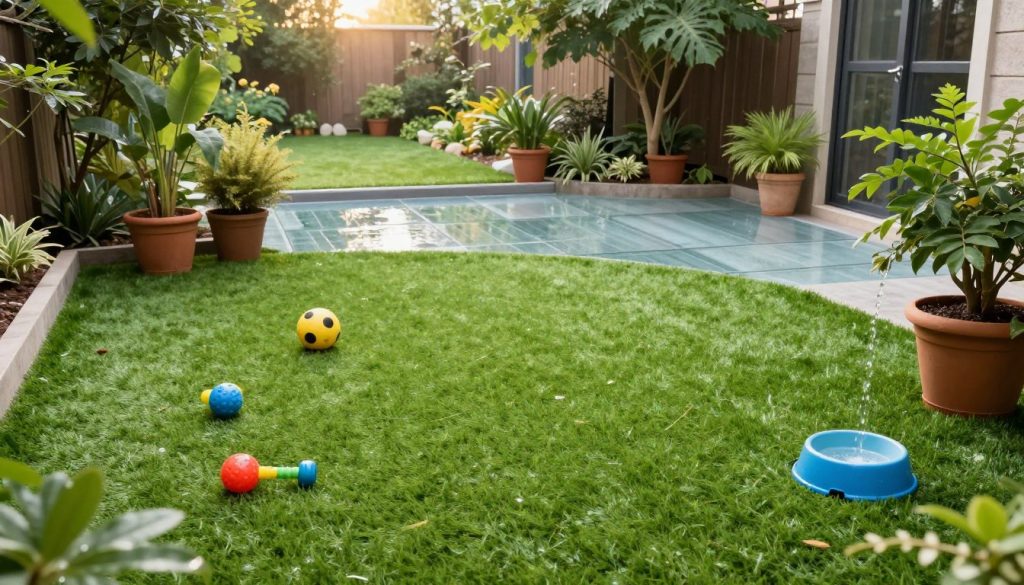
Residential artificial turf commonly lasts about 8-12 years. Product quality, UV exposure, foot traffic, maintenance, and installation can move a surface toward either end of that range.
Seams, edges, and infill condition affect performance as the lawn wears. Heavy foot traffic can flatten fibers, while strong sun can fade or weaken some materials.
Infill helps support the blades, so shifts or loss can change how the surface feels. Loose seams and worn edges may also affect appearance and function.
Pros and cons of artificial turf in sports depend on the field system and its use. Sports turf must meet different performance demands than residential landscaping.
Why artificial turf is bad for football is not a single rule about every field. Field design, surface condition, and sport-specific needs matter, so sports and home systems are not interchangeable.
Durability does not remove limits involving comfort, drainage, and environmental impact.
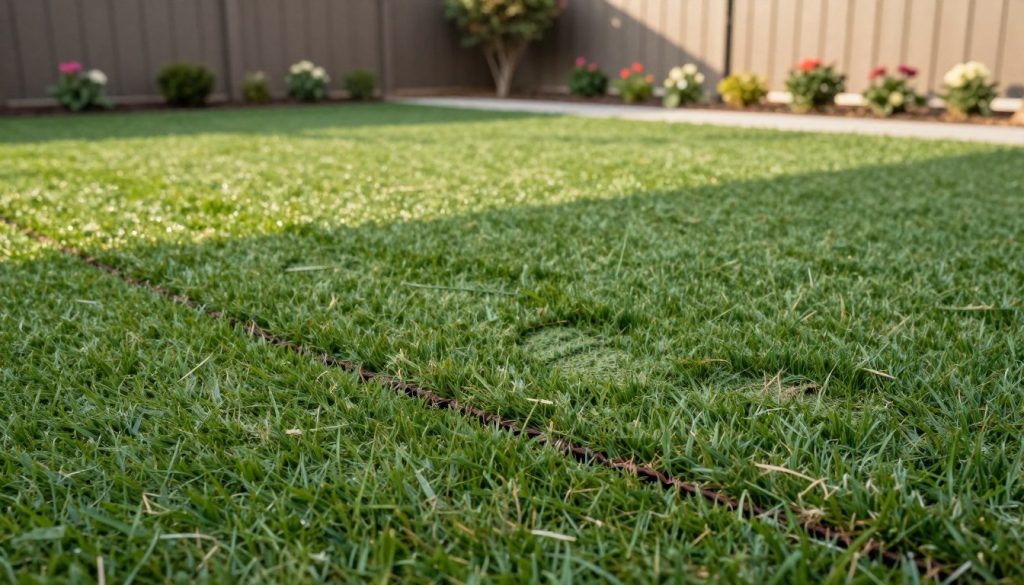
Heat retention and plastic-based construction are two tradeoffs to weigh before choosing artificial turf. Direct sun can make the surface hotter than natural grass, reducing comfort for bare feet in hot weather.
The downside depends on climate, use, drainage, and the value placed on natural soil and habitat. Poor grading or a blocked drainage base can leave standing water or odor problems.
Heat retention and plastic-based construction deserve consideration before artificial turf is selected. Climate, use, drainage, and soil priorities shape how serious those tradeoffs become.
Heat is most noticeable on exposed surfaces during hot weather. Weeds can still grow from windblown seeds and debris, even though the surface is synthetic.
Artificial grass is made from plastic-based materials in its fibers and backing, though the exact composition varies by product. The surface also separates roots and soil from the open air.
That separation can limit soil ecology and habitat. Recycling options at the end of a product’s life are limited, so landfill disposal remains an environmental concern.
Artificial turf can reduce irrigation and the need for lawn chemicals such as pesticides. Those benefits do not erase the material and disposal tradeoffs.
Whether fake grass is a poor fit depends on the property, not a single broad verdict. Material choice should reflect actual use and alternatives that suit the site.
A pet run may benefit from artificial turf, while a shaded garden may work better with natural grass. Different yard zones can call for different surfaces, based on use, drainage, and care needs.
Homeowners should match each material to how the area works, not appearance alone. Turf can suit drought-prone settings, high-wear paths, pet runs, and places where a green look with low maintenance matters.
Hot, exposed sites can make turf less comfortable. Naturalistic landscaping may also favor living soil, plants, and habitat over a synthetic surface.
Drainage and the architecture of the surrounding yard should guide material transitions. A clean edge between materials matters, but appearance alone should not set the layout.
Other materials may suit zones with different uses:
A mixed landscape can be more appropriate than converting every lawn area to one material. The practical rule is to choose each surface by use, drainage, and long-term priorities.
Artificial turf is most likely worth the investment when reduced watering and lawn work meet clear, recurring needs. Heat, ecology, and the upfront expense remain material tradeoffs that can make natural grass the better choice.
A site assessment should cover preparation, drainage, materials, and expected care. The next step is comparing an itemized project assessment with the property’s long-term priorities for its outdoor space and landscaping.