Physical Address
304 North Cardinal St.
Dorchester Center, MA 02124

What if a simple addition to your yard could boost your property’s appeal and resale price, but the return isn’t always guaranteed?
Data from Angi reveals a complex picture. The average return on investment (ROI) for this upgrade usually ranges between 30% and 70% of the installation cost. With an average project cost around $3,200, that’s a potential gain, but not a sure thing.
The added value depends heavily on several factors. Your location, the materials you choose, the quality of construction, and even your neighborhood’s standards all play a huge role.
According to HomeLight’s Top Agent Insights, landscaping upgrades that include this feature are viewed as significant value-adds by professionals. It sets the stage for a deeper look at what really drives a profitable investment.
The demand for privacy fencing isn’t just a trend; it’s a response to how people want to live now. Data from real estate professionals shows this feature consistently ranks at the top of buyer wish lists. When nearly all agents agree that curb appeal is critical, a privacy fence does more than just look good—it solves practical problems that directly impact your home’s resale value.
Today’s buyer sees a fence not just as a boundary line, but as a tool to create a private, usable outdoor room. It transforms a yard from a visible plot into a personal retreat. This shift in perception is why installing the right fence can be a powerful investment.
A quality privacy fence delivers a trio of major benefits. First, it provides security, creating a clear barrier that defines your property. Second, it offers noise reduction, buffering street sounds and neighborhood activity. Most importantly, it builds a secluded sanctuary. This sense of seclusion is priceless for relaxing, entertaining, or letting kids and pets play without being on display.
This need is especially strong in more urban settings or neighborhoods with smaller lots. As homes are built closer together, the desire for an outdoor escape grows. Buyers actively seek relaxation spaces free from the eyes of neighbors and passersby. A privacy fence delivers that instant sense of separation and peace, making your property stand out in a competitive market.
The following table breaks down common buyer concerns and how a privacy fence directly addresses them, enhancing the property’s functional appeal:
| Buyer Concern | How a Privacy Fence Provides a Solution | Impact on Property Appeal |
|---|---|---|
| Lack of usable outdoor living space | Creates a defined, enclosed area perfect for dining, lounging, or play. | Adds functional square footage to the home’s livable space. |
| Need for security and pet/child containment | Establishes a secure perimeter, keeping loved ones safe inside and unwanted visitors out. | Reduces a major anxiety for families, a key purchase factor. |
| Desire for relaxation without being observed | Offers visual screening from neighbors and street traffic. | Transforms a yard into a private retreat, increasing its daily value. |
| Noise from nearby streets or neighbors | Acts as a sound buffer, making the yard quieter and more peaceful. | Enhances the quality of the outdoor experience significantly. |
By tackling these core desires, a privacy fence moves from a simple yard feature to a major selling point. It signals to potential buyers that the home offers a turn-key, private outdoor lifestyle. This strong functional appeal translates directly into better marketability and a solid privacy fence resale value proposition when it’s time to sell.
The question of whether a fence boosts property value is answered by understanding what today’s buyers actually want in their outdoor living areas. It’s not just about having a yard. It’s about having a usable, private, and secure extension of your home.
Real estate agents consistently note that buyers prioritize three key attributes: privacy, security, and curb appeal. A fence directly addresses all of these. For many families, especially those with children or pets, a quality fence isn’t a luxury—it’s essential infrastructure.
Think about the difference between an empty lot and a furnished room. An open, unfenced yard often feels like unused land. It lacks definition and purpose.
A fence instantly transforms that space. It creates clear boundaries, turning a vague grassy area into a defined outdoor “room.” This perceived expansion of your living space is a powerful value-add.
Buyers see a fenced yard as ready-to-use square footage. It’s a place for a patio set, a play area, or a garden. An open yard requires more imagination and investment to feel functional. A fence provides the instant framework for outdoor living.
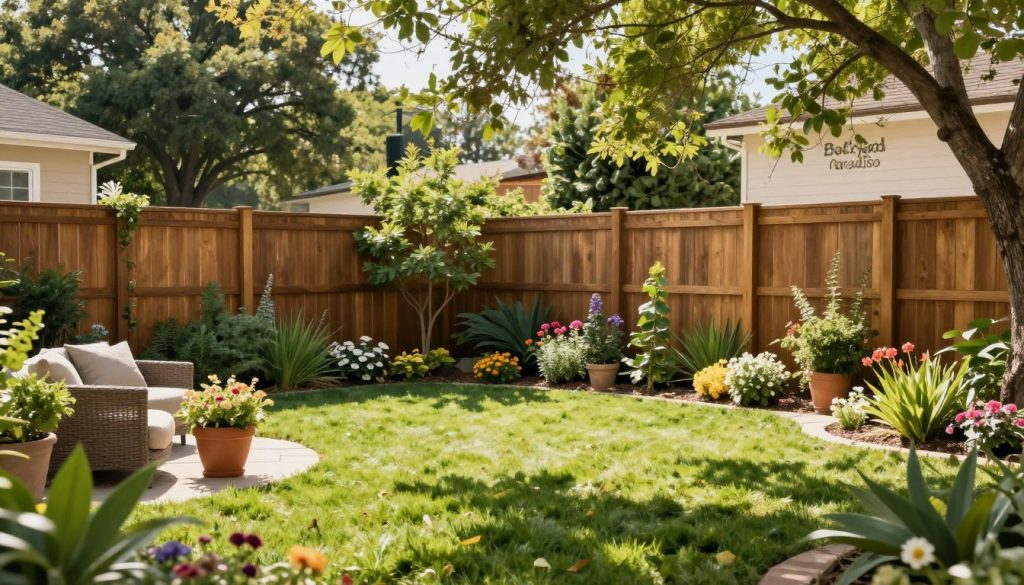
This visual and functional upgrade directly ties to curb appeal. A well-designed fence signals a cared-for, complete property. It shows the outdoor space is an intentional part of the home.
For a significant segment of the market, practical needs drive the desire for a fence. These are often primary decision-making factors.
Top reasons buyers actively seek a fenced property include:
As one agent noted, “For families with young children or dogs, a secure fence can be the difference between making an offer and walking away.” This isn’t just about aesthetics; it’s about safety and daily livability.
When these practical boxes are checked, the perceived fence property value increases because it solves immediate problems for the buyer. It removes a future project and cost from their list.
Ultimately, when you ask does a fence increase property value, look through the buyer’s lens. They are purchasing a lifestyle. A fence that offers definition, security, and privacy makes that lifestyle more accessible and valuable from day one.
The true value of a fence investment unfolds in two key areas: the immediate visual impact on your home’s first impression and the long-term creation of usable living space. A premium composite or vinyl fence is uniquely positioned to maximize both, offering a compelling return that goes beyond simple property lines.
First impressions are everything in real estate. A quality fence acts as a frame for your property, defining its space and enhancing its architecture. It signals to buyers that a home is cared for, secure, and private from the moment they pull up to the curb.
This isn’t just about looks—it’s a measurable financial advantage. Real estate agents report that homes with well-maintained, attractive fencing can command a market premium of 50-65% over the installation cost. This directly ties into your overall fence investment strategy.
A clean, modern composite fence complements your home’s style without the fading, warping, or peeling of wood. It tells a potential buyer that the exterior requires minimal upkeep. This “maintenance-free premium” is a powerful selling point that makes your home stand out in listings and drive-by viewings.
The second layer of value is practical. A fence doesn’t just enclose a yard; it actively creates new functional square footage. What was once an open, undefined plot becomes a private extension of your home.
Suddenly, you have a dedicated area for entertaining, a safe play zone for children and pets, or a serene patio for relaxation. This transformation is a major factor for buyers, who increasingly view outdoor living space as essential. A fenced yard is a finished yard, ready for immediate enjoyment.
The long-term economics are strong. With an average ROI of 65% over ten years, a composite fence is a durable asset. Its resistance to rot and insects means you won’t face costly repairs or replacements down the line, protecting your initial fence investment and continuing to add value.
When you combine lasting beauty with lasting function, you get a home improvement that pays dividends every day and upon resale. Choosing the right design and material is crucial to unlocking this full value.
Ready to explore how a quality fence can enhance your home’s fence curb appeal and functional space? Consult with the professionals to design an investment that fits your property and goals. Contact us at (888) 497-9177 for a personalized assessment.
The financial payback of a fence isn’t just a single number. It’s positioned within a broader landscape of curb appeal investments. When you compare projects, you see where your money works hardest.
Data shows a direct fence ROI typically ranges from 30% to 70%. This is a solid return. However, some interior renovations, like a minor kitchen or bathroom update, can sometimes report a higher percentage payback in pure financial terms.
This doesn’t diminish a fence’s value. It reframes it. Think of your fence as a key player in a larger team. Industry reports highlight that broad landscaping upgrades, which often include new fencing, can deliver exceptional value.
One major study found landscaping projects can recoup a remarkable 212% of their cost. This adds an average of over $7,300 to a home’s value.
Your fence contributes directly to this category. It defines the space that other landscaping features enhance. This synergy is powerful.
The strength of exterior investments is undeniable. Research indicates that eight of the top ten projects for return on investment are exterior replacements. This underscores a simple truth for homebuyers: first impressions, anchored by great curb appeal, are priceless.
So, while viewing a fence in isolation gives one figure, its true return on investment shines brightest as part of a holistic plan. You’re not just buying a barrier. You’re investing in defined outdoor living space, privacy, and that crucial first look that makes buyers interested.
Position your fence project within this context. Pair it with other exterior touches like fresh mulch, garden beds, or outdoor lighting. This comprehensive approach is what data shows delivers the most significant boost to your property’s market value.
Beyond the dollars and cents on a closing statement, a fence pays you back daily in peace, privacy, and personal freedom. This is the daily ROI—the return you experience throughout your years of ownership, not just at the moment of sale.
Financially, a fence is an exterior improvement. Personally, it’s a lifestyle upgrade. It transforms your yard from a public plot into a private oasis. This is where the real value begins. You gain a secluded space for morning coffee, evening relaxation, or simply enjoying the sun without feeling on display.
The peace of mind value is immense. For families, it means a safe, contained area where children and pets can play freely. You no longer need to be on constant high alert. This security isn’t just about keeping things out; it’s about creating a worry-free zone for your loved ones inside.
The true worth of an enclosed yard is measured in relaxed weekends and secure playdates, not just square footage.
This defined space directly fuels lifestyle enhancement. Your backyard becomes a dedicated venue for barbecues, garden parties, or quiet reading. It converts vague outdoor area into functional, usable square footage. This encourages you to actually use your property more, getting greater enjoyment from your investment.
Think about your daily routine. A fenced yard can mean letting the dog out without a leash, gardening in privacy, or hosting a family gathering without neighbors looking on. These small, repeated benefits add up to a significant improvement in your day-to-day quality of life.
While the resale boost is a nice future bonus, the daily ROI justifies the investment here and now. It turns a house into a more functional, enjoyable, and personal home. The value is in the living, not just the leaving.
Understanding the difference between appraiser valuation and buyer appeal is key to choosing a fence that boosts your home’s value. Your fence investment must satisfy two distinct evaluators: the professional who assigns a formal number and the potential buyer who decides what they’re willing to pay extra for.
Appraisers typically value a fence based on its cost, condition, and remaining useful life. Data shows they often assign a value of 30% to 40% of the original installation cost. They focus on tangible factors like the material’s longevity and whether it’s in good repair.
Buyers, however, are driven by emotion and lifestyle needs. They pay a market premium for features that enhance their daily living. Privacy, security, aesthetic charm, and minimal upkeep are the real value drivers that can push a home’s selling price higher than the appraised figure.
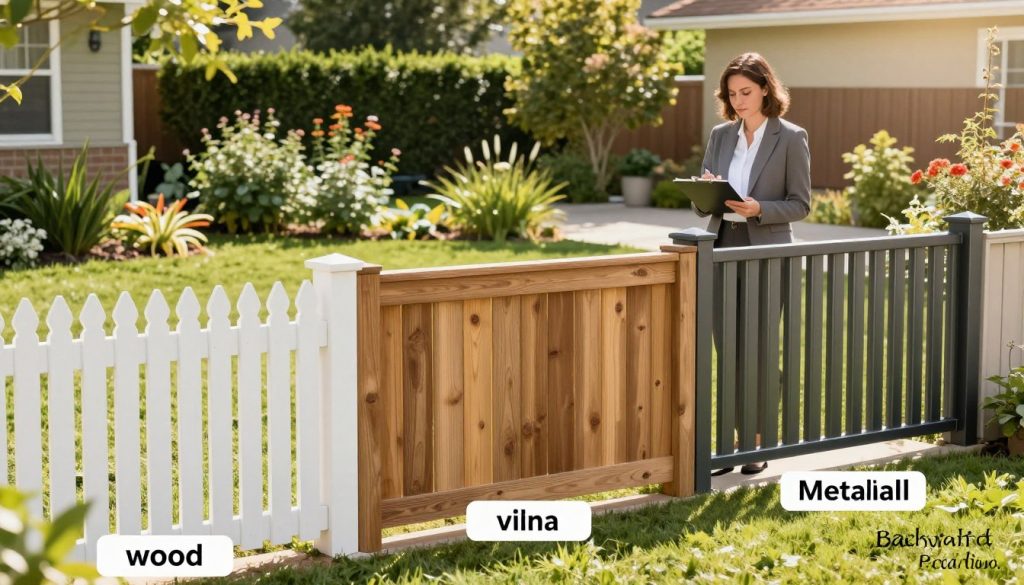
This split in perspective makes your material choice crucial. The right selection balances durable construction for the appraiser with desirable features for the buyer. The following comparison breaks down common options.
| Material | Average Cost | Maintenance | Durability | Buyer Appeal Factor |
|---|---|---|---|---|
| Wood | Moderate | High (staining, sealing) | 15-20 years | Classic, natural look |
| Vinyl | Higher upfront | Very Low (wash only) | 20-30+ years | Clean, modern, privacy |
| Aluminum | Moderate to High | Low (rust-resistant) | 20-30 years | Ornamental, security |
| Wrought Iron | High | Moderate (painting) | Decades | High-end, security |
| Chain-Link | Low | Very Low | 15-25 years | Basic containment |
The data reveals a clear frontrunner for long-term value. While wood has a lower initial cost, its high maintenance and shorter lifespan hurt its return. Studies show a quality vinyl privacy fence can deliver up to a 65% return on investment over ten years, compared to roughly 10% for wood.
This stark contrast in ROI highlights why appraisers and savvy buyers favor low-maintenance, durable materials. A vinyl or composite fence remains in excellent condition for decades with little effort, satisfying the appraiser’s condition requirement. Its solid design provides the privacy and finished look that buyers actively seek.
Your best fence investment often lies in a quality vinyl or composite privacy fence. It strikes the ideal balance between acceptable upfront cost, exceptional longevity, and high buyer desirability. This combination maximizes both your formal appraisal value and your potential market premium.
Choosing the perfect material for your property and goals can be complex. For personalized advice on making a fence investment that pays off, our experts are ready to help. Contact us at (888) 497-9177 for a professional consultation.
Homeowners often have specific questions about how a fence impacts their investment. Understanding the data helps you make a smart choice for your fence property value.
Will adding a fence increase your property value? Industry data suggests you can recoup 30% to 70% of the installation cost when you sell. This return makes it a worthwhile upgrade for many.
Do appraisers look at fences? Yes, a permanent, well-maintained fence is considered a site improvement. It can positively influence the appraised value of your home.
Always check local permit requirements and your exact property lines before building. Installing a fence without permits or on a neighbor’s land creates legal issues.
Can you write off a fence on your taxes? For a personal residence, the cost is typically not tax-deductible. It is considered a capital improvement that adds to your home’s cost basis.
If your existing fence is damaged, repairing it is usually more cost-effective than a full replacement before a sale. A broken fence can detract from curb appeal.
Your decision directly influences your home’s marketability. A quality installation supports strong fence property value for years to come.
The financial return is variable, but data indicates a well-installed, attractive fence can increase your home’s value. On average, you can expect a return on investment (ROI) in the range of 30% to 70% of the installation cost. For a typical fence costing around ,200, this translates to a potential value increase of 0 to ,240. The exact amount depends heavily on your location, the fence material, its condition, and local buyer expectations.
Yes, but in a specific way. A formal appraiser will note the fence as an improvement and assess its material, condition, and remaining useful life. It contributes to the overall valuation of the property but is rarely assigned a specific, high dollar value on its own. Its true financial premium is often realized in the market, where buyers are willing to pay more for the privacy, security, and defined outdoor space a quality fence provides.
Privacy fences made from low-maintenance materials like vinyl or composite typically offer the best balance of buyer appeal and long-term value. They directly address top buyer desires for privacy and security while requiring minimal upkeep. While wood is classic, its maintenance needs can be a deterrent. Ornamental iron or aluminum offers security and curb appeal but less privacy. Chain-link is functional but generally adds the least aesthetic or monetary value.
Always check local regulations. Most municipalities require a permit for fence installation, with rules governing height, material, and placement. Crucially, you must accurately locate your property lines, often via a professional survey. Building a fence on a neighbor’s property or in a public easement can lead to costly legal disputes and require you to remove the structure.
The national average is approximately ,200, but costs vary widely based on material and scope. A basic chain-link fence may cost ,000-,000, while a wood privacy fence often ranges from
The financial return is variable, but data indicates a well-installed, attractive fence can increase your home’s value. On average, you can expect a return on investment (ROI) in the range of 30% to 70% of the installation cost. For a typical fence costing around $3,200, this translates to a potential value increase of $960 to $2,240. The exact amount depends heavily on your location, the fence material, its condition, and local buyer expectations.
Yes, but in a specific way. A formal appraiser will note the fence as an improvement and assess its material, condition, and remaining useful life. It contributes to the overall valuation of the property but is rarely assigned a specific, high dollar value on its own. Its true financial premium is often realized in the market, where buyers are willing to pay more for the privacy, security, and defined outdoor space a quality fence provides.
Privacy fences made from low-maintenance materials like vinyl or composite typically offer the best balance of buyer appeal and long-term value. They directly address top buyer desires for privacy and security while requiring minimal upkeep. While wood is classic, its maintenance needs can be a deterrent. Ornamental iron or aluminum offers security and curb appeal but less privacy. Chain-link is functional but generally adds the least aesthetic or monetary value.
Always check local regulations. Most municipalities require a permit for fence installation, with rules governing height, material, and placement. Crucially, you must accurately locate your property lines, often via a professional survey. Building a fence on a neighbor’s property or in a public easement can lead to costly legal disputes and require you to remove the structure.
The national average is approximately $3,200, but costs vary widely based on material and scope. A basic chain-link fence may cost $2,000-$4,000, while a wood privacy fence often ranges from $1,500 to $3,500. High-end materials like vinyl, composite, or ornamental iron can range from $3,000 to over $8,000. Always get multiple quotes for your specific project.
Generally, no. A residential fence is considered a capital improvement that adds to your home’s basis, not a deductible repair expense. This means it can help reduce potential capital gains taxes when you sell, but you cannot deduct the cost in the year you install it. Always consult a tax professional for advice specific to your situation.
It depends on the condition. A severely damaged, rotting, or leaning fence is an eyesore that can negatively impact curb appeal and deter buyers. In such cases, replacement is often the better investment. If the fence is structurally sound but just looks worn, a thorough cleaning, staining, or repairing broken sections may be sufficient to make it presentable without the full cost of replacement.
Absolutely. A well-designed fence frames your property, complements your home’s architecture, and creates a polished, intentional look. It signals to potential buyers that the home is well-maintained. This enhanced first impression can directly influence a buyer’s perception of value and their emotional connection to the property, making it more marketable.
In terms of pure financial ROI percentage, major interior remodels often rank higher. However, a fence is a key component of exterior and landscaping improvements, which as a category can deliver exceptional value. Think of it holistically: a fence creates the “walls” for your outdoor living space. Combined with good landscaping, this exterior package can be a major selling point, with some studies showing landscaping ROI as high as 212%.
Generally, no. A residential fence is considered a capital improvement that adds to your home’s basis, not a deductible repair expense. This means it can help reduce potential capital gains taxes when you sell, but you cannot deduct the cost in the year you install it. Always consult a tax professional for advice specific to your situation.
It depends on the condition. A severely damaged, rotting, or leaning fence is an eyesore that can negatively impact curb appeal and deter buyers. In such cases, replacement is often the better investment. If the fence is structurally sound but just looks worn, a thorough cleaning, staining, or repairing broken sections may be sufficient to make it presentable without the full cost of replacement.
Absolutely. A well-designed fence frames your property, complements your home’s architecture, and creates a polished, intentional look. It signals to potential buyers that the home is well-maintained. This enhanced first impression can directly influence a buyer’s perception of value and their emotional connection to the property, making it more marketable.
In terms of pure financial ROI percentage, major interior remodels often rank higher. However, a fence is a key component of exterior and landscaping improvements, which as a category can deliver exceptional value. Think of it holistically: a fence creates the “walls” for your outdoor living space. Combined with good landscaping, this exterior package can be a major selling point, with some studies showing landscaping ROI as high as 212%.