Physical Address
304 North Cardinal St.
Dorchester Center, MA 02124
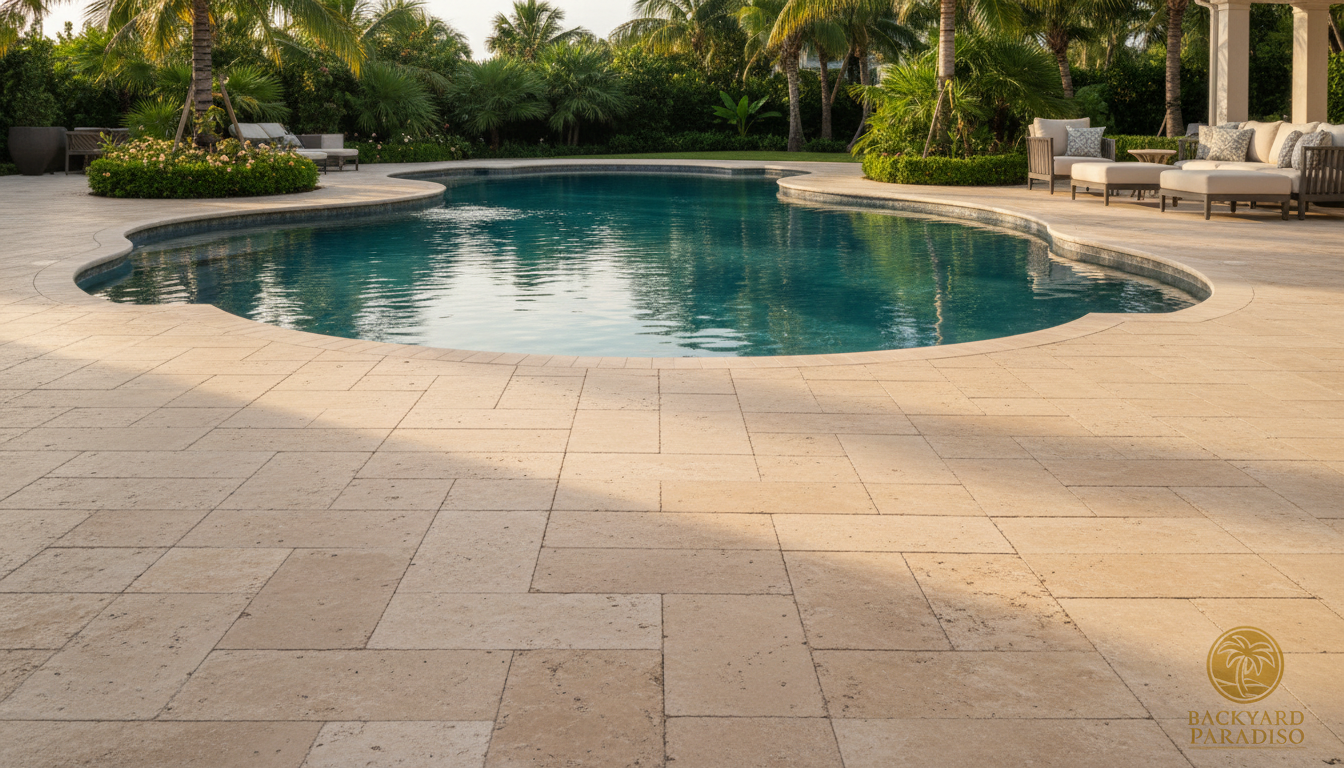
What if the secret to a stunning, functional backyard isn’t a new trend, but a material forged by the earth itself? I’ve helped homeowners across seven different U.S. climates find that answer.
This specific natural stone has become the undisputed gold standard for pool decks and high-end outdoor spaces. Its unique, porous structure means it stays remarkably cool underfoot—a game-changer in places like Naples or San Antonio.
This isn’t just about look. It’s about quality and performance. As a material formed from mineral deposits, it offers a blend of beauty and durability that manufactured options struggle to match.
I wrote this guide to cut through the noise. We’ll dive into the technical details: finishes, thickness, and why your local climate dictates everything. This is a significant investment in your home‘s value and your enjoyment.
Let’s get started. This is your roadmap to making a confident, informed design decision.
The true magic of this natural stone lies in its finishes. Each offers a distinct blend of grip, cooling, and visual character.
Your choice directly impacts safety and longevity, especially in places like Florida or Texas.
Its porous structure is the key. It allows the surface to stay remarkably cool under the summer sun.
This same texture provides excellent slip resistance when wet. Authentic color variations, from ivory to walnut, add depth that manufactured products can’t match.
This material is also incredibly durable. It handles vehicle weight and weather extremes better than many concrete options.
Your finish determines the final look and feel. The tumbled process uses sand and pebbles to create a weathered, highly slip-resistant texture. It’s the top choice for pool decks.
A honed finish is smooth and contemporary. It’s great for driveways but can be slippery when wet. The brushed option offers a soft texture that enhances the stone’s natural color.
This porous quality does require annual sealing to prevent stains. It’s a simple trade-off for a cool, safe, and beautiful surface that lasts for decades.
Let’s talk specs. The difference between a beautiful installation and a problematic one often comes down to three numbers: thickness, density, and finish. I always tell my clients that their local weather is the fourth, crucial spec.
Your choice must be informed by both quality standards and your zip code’s climate challenges.
For any outdoor area, demand a minimum 1.25-inch thickness. Thinner tiles simply won’t hold up. For driveways or heavy use, go thicker.
Inspect every piece before it’s installed. Look for consistent thickness, properly filled natural holes, and uniform color. Reject any with cracks or deep stains.
This is where climate dictates your design. In Florida’s heat, prioritize a porous surface for maximum cooling. In Colorado or Illinois, a perfect base and drainage are non-negotiable to handle freeze-thaw cycles.

The porous nature of this material requires protection. Use a penetrating sealer, not a topical coat. Apply it right after installation.
Re-seal high-traffic areas or spaces near your pool every year. For patios, every two to three years is often enough.
Clean only with a pH-neutral stone cleaner. Acidic products will damage the stone. Sweep regularly and wipe spills quickly.
Yes, the upfront cost is higher than concrete. But you’re investing in a material that can last over 30 years, adding real value to your home.
Your local climate isn’t just a weather report—it’s the blueprint for your design. I tailor every project to the specific soil, sun, and seasonal challenges of your area.
In Florida’s heat and humidity, lighter color tiles like silver or ivory reflect the sun. A tumbled finish adds crucial grip around pool decks.
Sandy soil needs a stable base. We often pair these surfaces with a pergola for shade and landscape lighting to showcase the stone‘s texture at night.
San Antonio’s clay ground and extreme heat demand a different process. A French pattern allows for slight movement, preventing cracks. Here, combining the patio with artificial grass borders saves water and maintenance time.
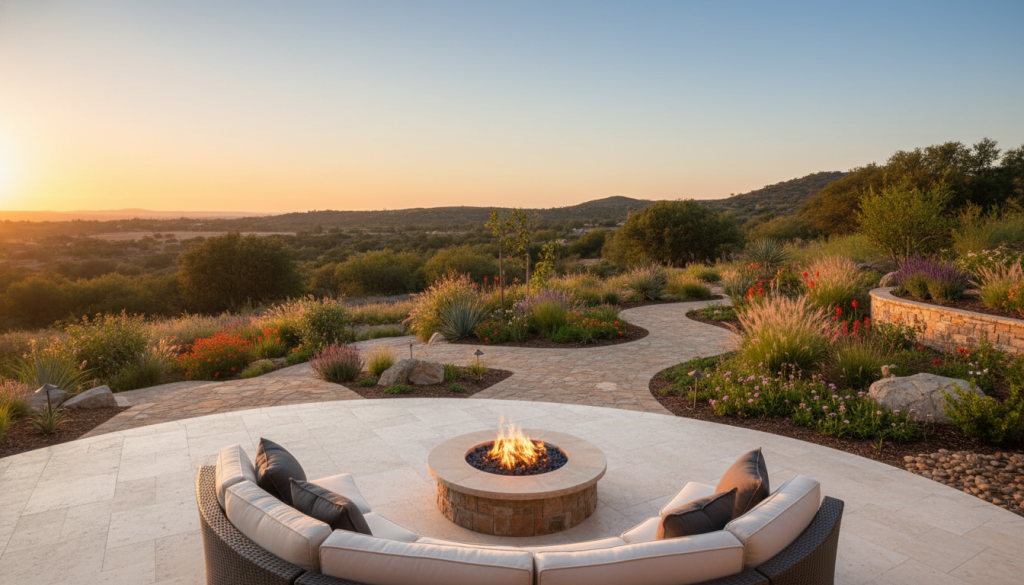
Cold climates are all about the base. In Colorado and Illinois, we build a thick, compacted gravel layer for drainage. This fights freeze-thaw cycles.
Pattern choice matters for stability. Herringbone or Basket Weave layouts interlock tightly, resisting frost heave.
For outdoor spaces in Secaucus, a variety of patterns adds interest to smaller yards. Integrating fencing creates a defined, private garden room.
Across all markets, this natural stone serves as the foundation. It connects seamlessly to decks, driveways, and other home features for a complete, luxurious look.
After years of installing across seven states, I’ve learned that the best outdoor projects start with informed choices. Your selection of finish, color, and pattern directly impacts both beauty and longevity.
Climate-specific knowledge is non-negotiable. What works in Florida’s heat fails in Colorado’s freeze-thaw cycles. This is where professional expertise proves invaluable.
For a complete transformation, this natural stone serves as the perfect foundation. It integrates seamlessly with features like pergolas and landscape lighting.
Ready to create your outdoor paradise? Contact Backyard Paradiso today. We bring local expertise from Naples to Secaucus to ensure your home improvement lasts for decades.
