Physical Address
304 North Cardinal St.
Dorchester Center, MA 02124
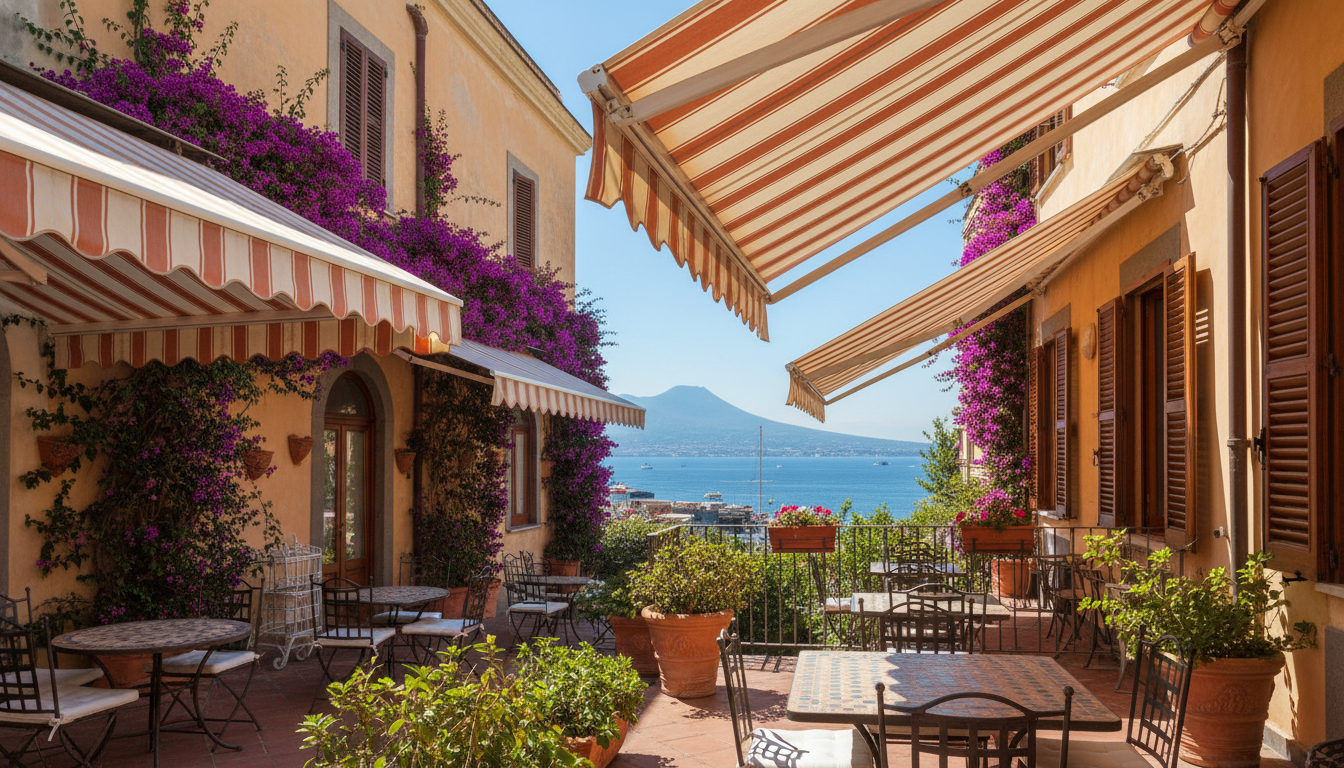
Can exterior shading systems really handle Naples’ wild weather? Homeowners wonder if they can protect against strong sun or sudden storms. It’s key to know how materials stand up to salt air, humidity, and heavy rain.
Good solutions need to be strong to last. A retractable system is a big upgrade for a home. It lets you control light and keeps your space cool.
Getting it installed right means it can handle strong wind. This way, your home stays safe from bad weather like rain. You can book a time to talk about your home’s needs.
Building structures in naples needs a deep look at the local weather. The area’s weather puts a lot of stress on outdoor parts. It’s important to design systems that can last a long time.
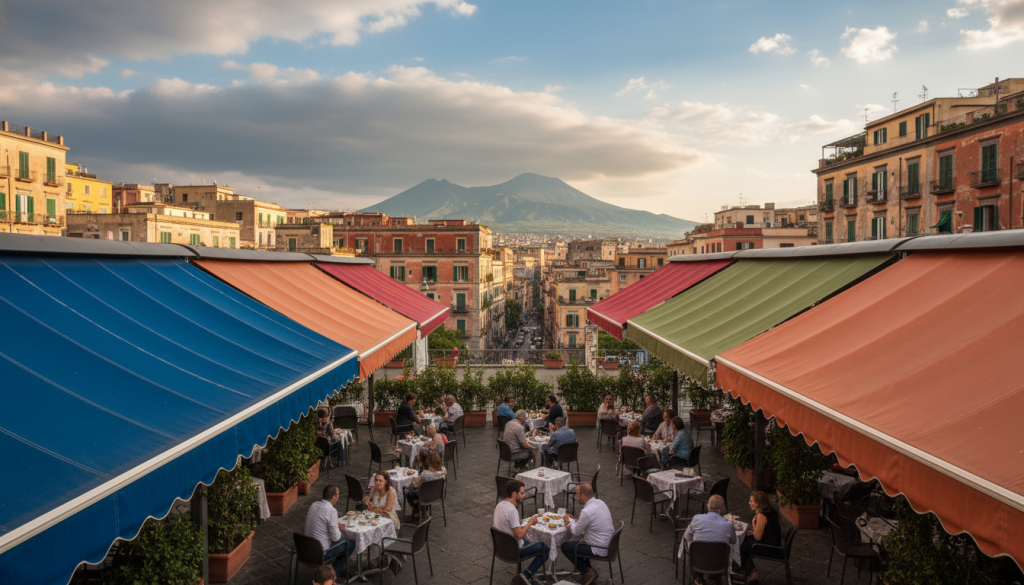
The weather in naples is tough for outdoor stuff. The air is very humid and the sun is very strong. This can make materials break down faster.
High-performance components help fight these problems. They keep the materials from getting worn out too soon.
The sun in naples is very strong. It can make colors fade and materials weaken. Using materials that can handle UV rays is key to keeping things working well.
Salt in the air is bad for metal parts. It makes them rust and can stop things from working right. Corrosion prevention is very important.
Using special materials that can handle the salt is a must. Regular steel or aluminum won’t do. Long-term performance depends on using the right materials and coatings.
The right choice of retractable awnings in Naples, FL depends on their design and how well they are used. These awnings offer shade but need to withstand rain and wind. To know if they’re good for Naples’ weather, we must look at how they handle these challenges.
Managing water is key for outdoor structures in rainy areas. They need to quickly let water run off, not stay on the fabric.
The awning pitch geometry is the first line of defense against water. A steep angle helps water slide off, keeping the fabric and frame dry. Adjusting this angle is vital for the awning’s longevity.
Water pooling can damage retractable awnings. It causes fabric sagging and can lead to failure. To avoid this, the pitch must be set right and the system checked during heavy rain.
Wind is a bigger challenge than rain, thanks to coastal gusts. Each awning has a awning wind threshold that shows its safe use limits.
Fixed and retractable awnings differ in how they handle wind. Fixed ones are solid and strong. Retractable ones have arms that can fold back, reducing wind exposure.
In bad weather, protecting the property and awning parts is key. Retracting the awning is the usual plan when wind gets too strong. This stops damage from gusts that are too much for the awning arms.
Choosing the right materials is key to fighting off coastal damage. High-quality parts help outdoor setups stay strong, even with salt air and humidity. Experts focus on materials that can handle these tough conditions.
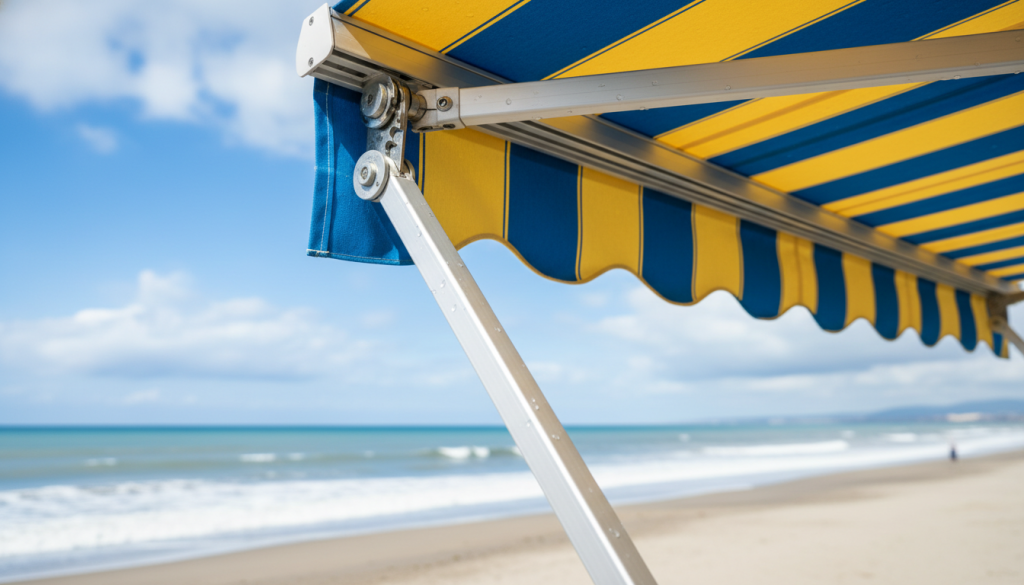
Solution-dyed acrylic fabric stands out for its color and strength. The dye is mixed in during making, so it doesn’t fade easily. This keeps the fabric looking good and strong over time.
Durability is a big plus in sunny spots. It lets air in but keeps heat out. This makes it comfy to be under while keeping the fabric in top shape.
A vinyl-coated polyester awning is great for keeping water out. The vinyl layer stops water and mildew. It’s perfect for places that get a lot of rain.
This fabric stays stiff, even when wet. It doesn’t soak up water, so it doesn’t sag. It’s a solid choice for keeping your place dry all year.
The heart of any outdoor shade is the retractable arm system. It’s made from strong aluminum alloys to fight off rust. These metals are strong but light, and they resist rust well.
Coatings are added to these arms to make them last longer. These coatings protect the arms from the weather. A well-kept retractable arm system works well, no matter the weather.
Advanced sensor technology keeps a motorized retractable awning safe from sudden weather changes. Smart control systems act as a first line of defense, cutting down the need for manual control during bad weather. This automation helps keep outdoor spaces safe and intact over time.
A wind sensor awning uses special sensors to track wind speed. If the wind gets too strong, it automatically pulls the awning back to avoid damage. This quick action is key to keeping the awning safe during strong winds, common near the coast.
A rain sensor awning adds extra protection against rain. It detects rain and tells the motor to pull the awning back, stopping water from pooling. This keeps the awning dry and extends its life.
Today’s homes use integrated home automation to control everything from the outside in. This lets homeowners manage their outdoor spaces along with their home’s other systems. It keeps outdoor areas safe and adds to the home’s value.
Getting retractable shading systems to work well means focusing on strong materials and precise mechanics. Homeowners in coastal areas choose durable parts to last longer against harsh weather. They plan carefully to keep their backyard paradiso naples in top shape.
Automated systems are key to protecting these investments. They use sensors to detect wind and moisture, adjusting automatically. This helps the system last longer without needing constant human help.
Getting experts to install these systems is the best way to get great results. They check the site to make sure the system can handle the local weather. Keeping a backyard paradiso naples in good condition requires regular checks and maintenance. For custom solutions, homeowners can schedule consultations to meet their specific needs.
